UI/UX Design engineered for clarity & elegance.
Create intuitive, distinctive digital product experiences grounded in user workflows, cognitive ergonomics and clear business goals.
We design production-grade web and mobile applications that balance visual elegance with operational speed, comprehensive design systems, interactive prototypes, and validated usability.
Portfolio Intelligence
Component / DashboardCard.tsx
PRODUCTION CAPABILITIES
UI/UX Design built for real-world use.
AKREVON brings strategic rigor, user empathy, and production-grade craftsmanship to every facet of ui/ux design.

UX Strategy
Translating business objectives and user needs into cohesive experience frameworks, cognitive models, and measurable design principles.
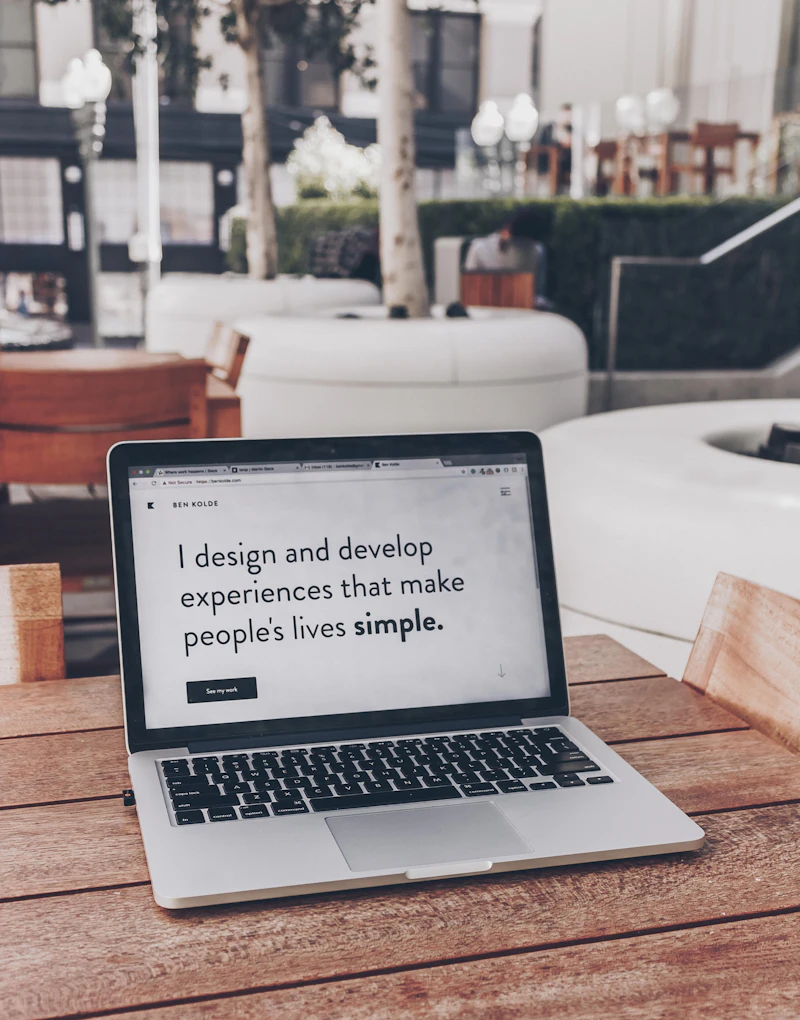
Interface Design
Distinctive, high-fidelity visual interfaces engineered with refined typography, balanced contrast, spacious layout rhythms, and intentional aesthetics.
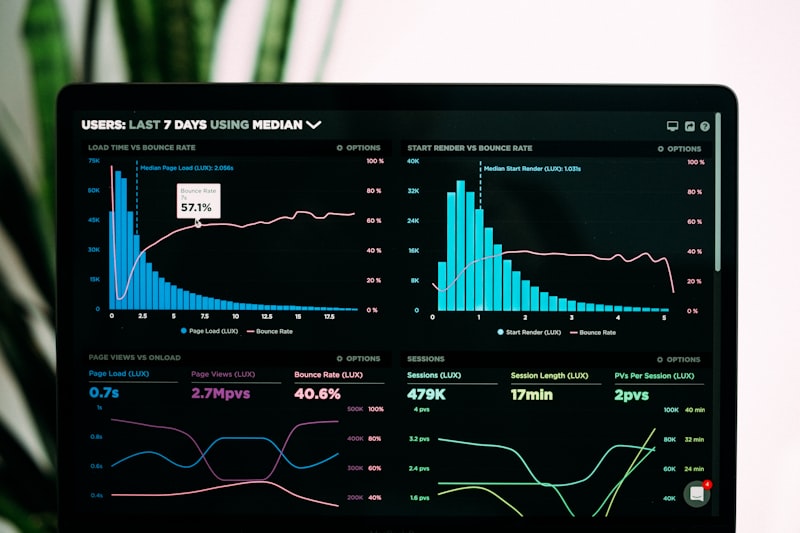
Interaction Design
Delightful, responsive interaction states, micro-animations, loading treatments, and physical feedback that guide users smoothly through complex tasks.

Interactive Prototyping
Clickable, high-fidelity prototypes that simulate production software for user testing, investor demos, and engineering alignment before code.

Design Systems
Modular design token architectures, reusable component libraries, and documentation that accelerate engineering velocity and guarantee consistency.

Usability Validation
Rigorous usability testing with representative users to identify points of friction, cognitive fatigue, and task failure before production rollout.
STRATEGIC DECISION FRAMEWORK
Before design begins.
Four decisions that shape the right product direction.
What are the core user journeys?
Identifying the 2–3 mission-critical paths that deliver primary product value.
We map the end-to-end paths users take to achieve their main goals. By isolating primary workflows (e.g. creating an invoice, onboarding a team, analyzing a dataset), we ensure design resources focus on making these flows frictionless before designing peripheral screens.
Which interactions matter most?
Determining where interactive depth and micro-animations provide genuine leverage.
Not every interaction needs complex animation. We determine where high-fidelity interactive polish directly builds confidence—such as checkout verification, data filtering, drag-and-drop sequencing, or complex multi-entity edits.
What design system is required?
Aligning component architecture with current scale and engineering framework.
We balance design system depth with delivery speed. A seed-stage startup needs a nimble, tokenized library focused on core primitives, while an enterprise platform requires a multi-brand, highly accessible component matrix mapped directly to React or mobile design tokens.
How will usability be validated?
Establishing objective criteria and testing protocols before development begins.
We define the usability metrics and validation protocols before pushing pixels. Whether through task completion benchmarks, SUS scoring, or prototype testing with 10 real customers, validation ensures design decisions are driven by data rather than subjective preferences.
DELIVERY CADENCE
How We Design Product Experiences
An iterative, engineering-aligned design process that moves seamlessly from concept to code.
Strategy & Architecture
Define information architecture, mental models, and primary user journey pathways.
Wireframes & Flows
Iterate low-fidelity layouts and state transitions to validate ergonomic hierarchy quickly.
Visual Systems & UI
Apply bespoke visual styling, tokenized design systems, and light/dark modes.
Prototypes & Handoff
Build realistic clickable prototypes, conduct usability validation, and deliver developer specs.
Why Invest in UI/UX Design
Superior design is the most visible indicator of product quality and reliability.
Drive Conversion & User Activation
Frictionless onboarding and intuitive layout reduce abandonment and turn first-time visitors into retained daily active users.
Halve Support & Training Overhead
Products designed around human mental models require minimal training, drastically lowering customer support ticket volume.
Accelerate Engineering Sprints
Providing engineers with complete design tokens, responsive artboards, and state specs eliminates ambiguity and rework.
PRODUCT OUTCOMES
Why UI/UX Matters for Your Product
Users judge your product's underlying engineering by the quality of its interface.
Immediate Perceived Trust
Clean typography, balanced contrast, and snappy interactions signal enterprise stability and technical rigor.
Effortless Habit Formation
Ergonomic user journeys make core workflows feel second nature, creating sustainable daily engagement.
Defensible Brand Differentiation
Bespoke aesthetic craft elevates your product above commoditized competitors that rely on generic UI templates.
THE AKREVON STANDARD
Why AKREVON for UI/UX Design
We design software that developers love to build and customers love to use.
Engineered for Implementation
Our designers understand CSS flexbox, autolayout, and component state logic, producing designs that map 1:1 to clean code.
Human-Centered Ergonomics
We prioritize clarity and cognitive ease over superficial visual trends, ensuring your product remains timeless.
Comprehensive State Coverage
We design every edge case—empty states, slow networks, validation errors, and bulk actions—not just happy paths.
FREQUENTLY ASKED QUESTIONS
UI/UX design answers
Yes. We design responsive web platforms and native mobile apps (iOS & Android) with unified design tokens, ensuring cohesive visual identity while respecting platform-specific interaction standards.
Ready to design a product users genuinely love?
Book a strategic discovery session with AKREVON’s product designers to map your user journeys, design systems, and rapid interactive prototypes.